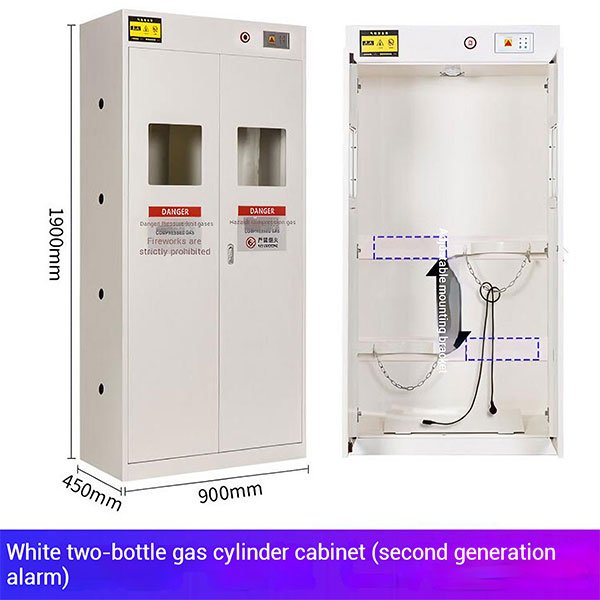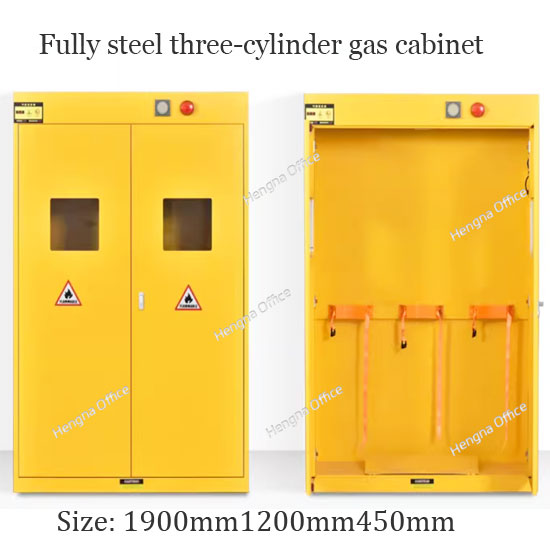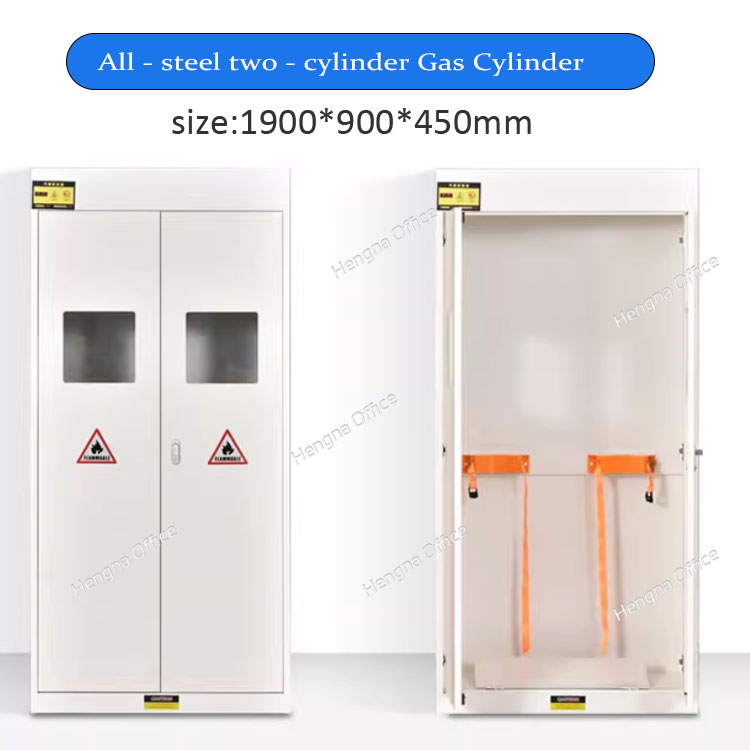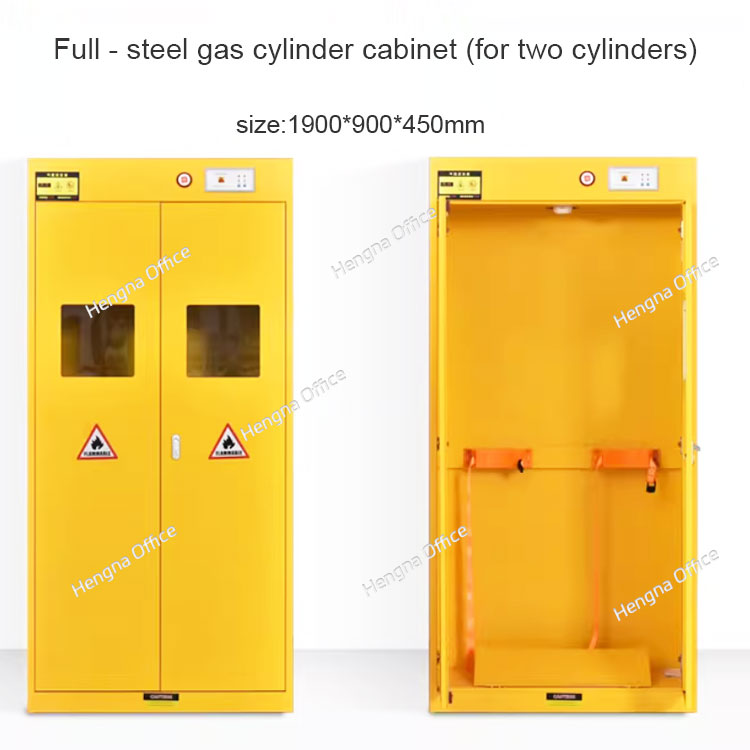
Factory-direct steel & PP lab furniture from Luoyang Hengna. OEM / ODM welcome.

Luoyang Hengna Office Furniture Co., Ltd. is located in Luoyang, Henan Province, which is known as the “Steel Furniture Industrial Base”. We specialize in manufacturing a wide range of laboratory furniture.
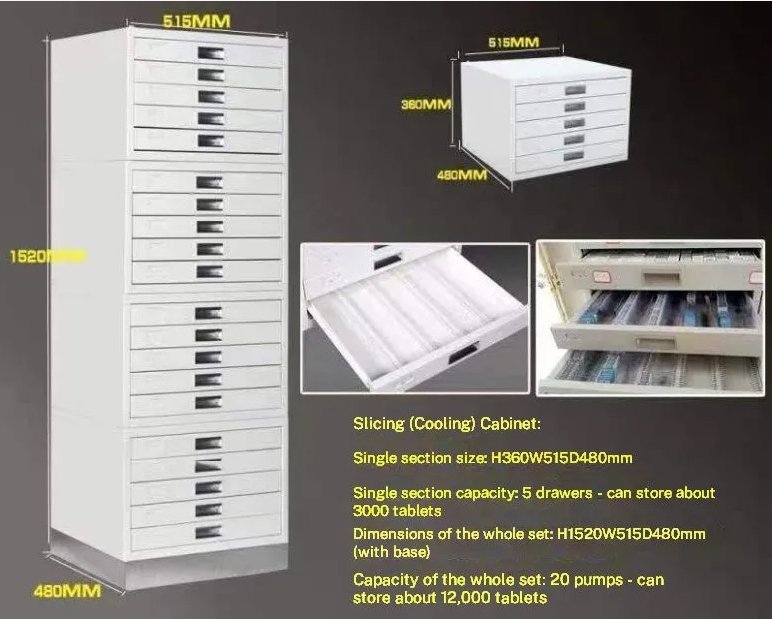
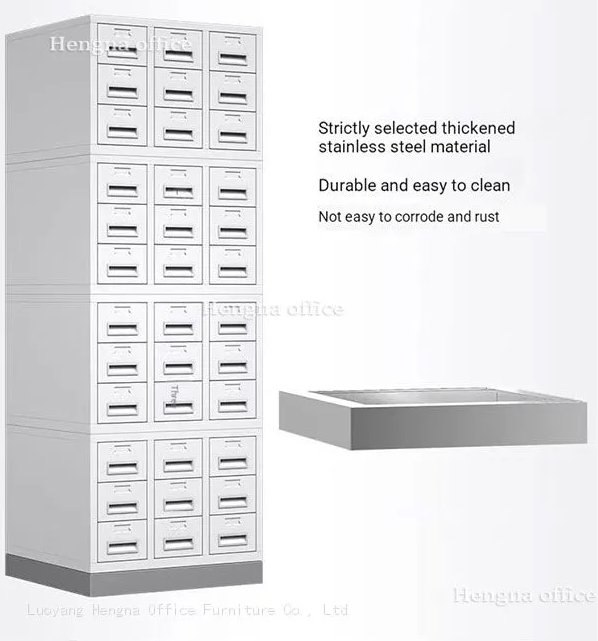
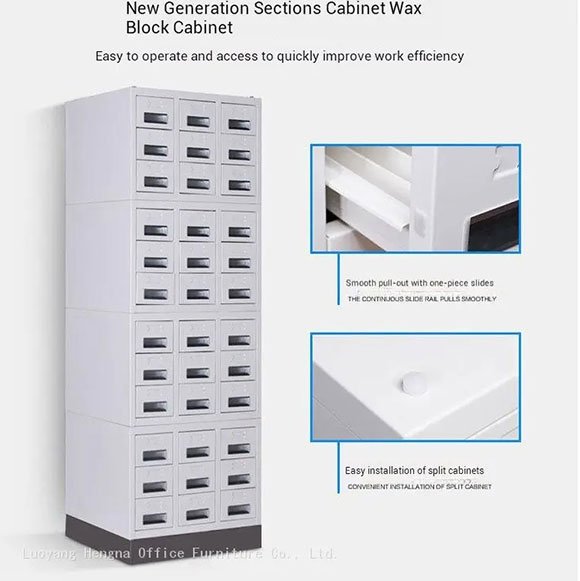
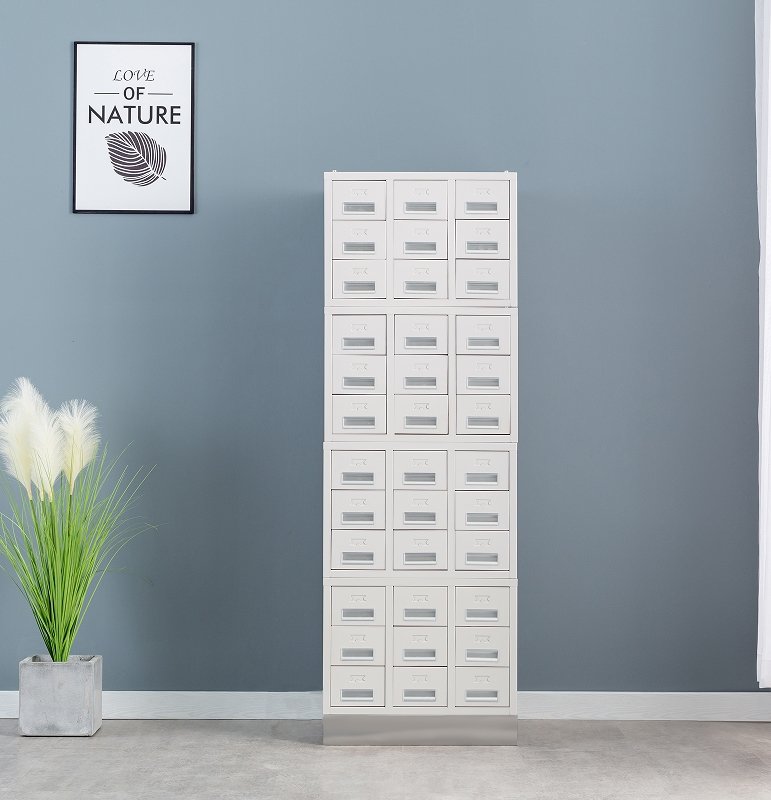
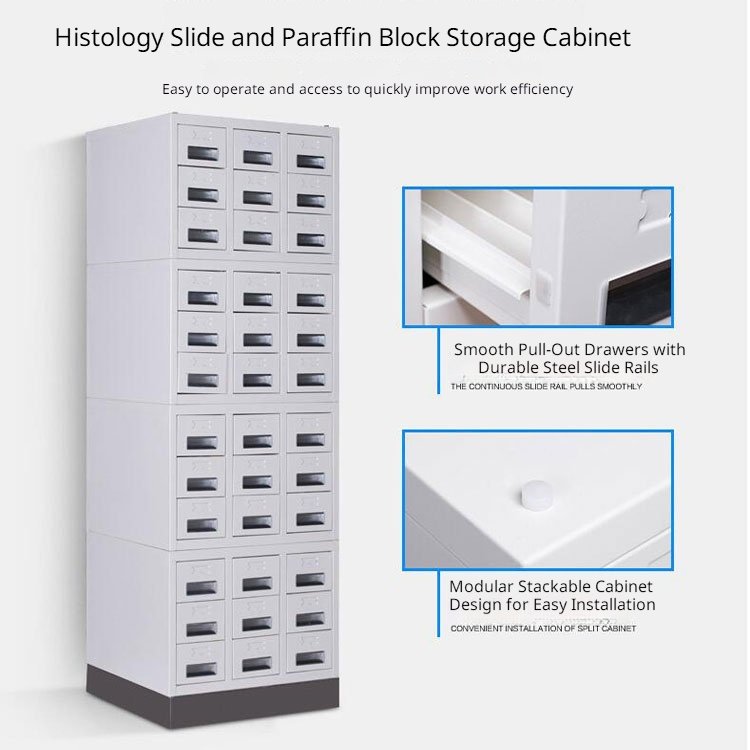
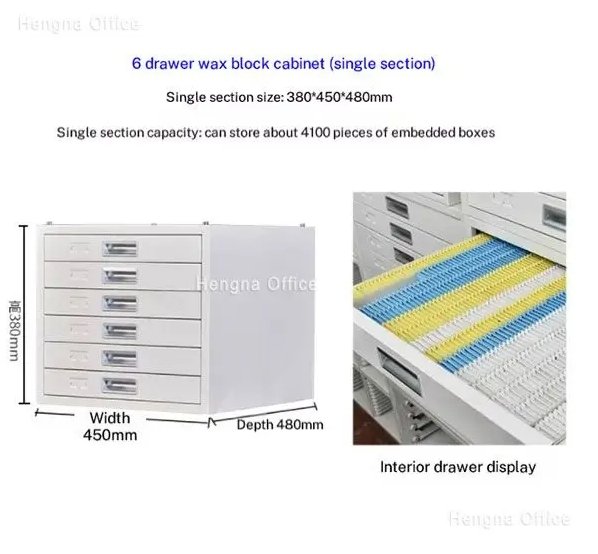
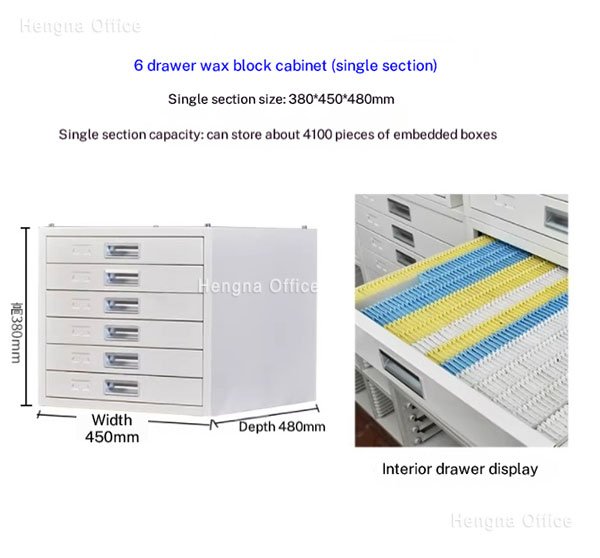
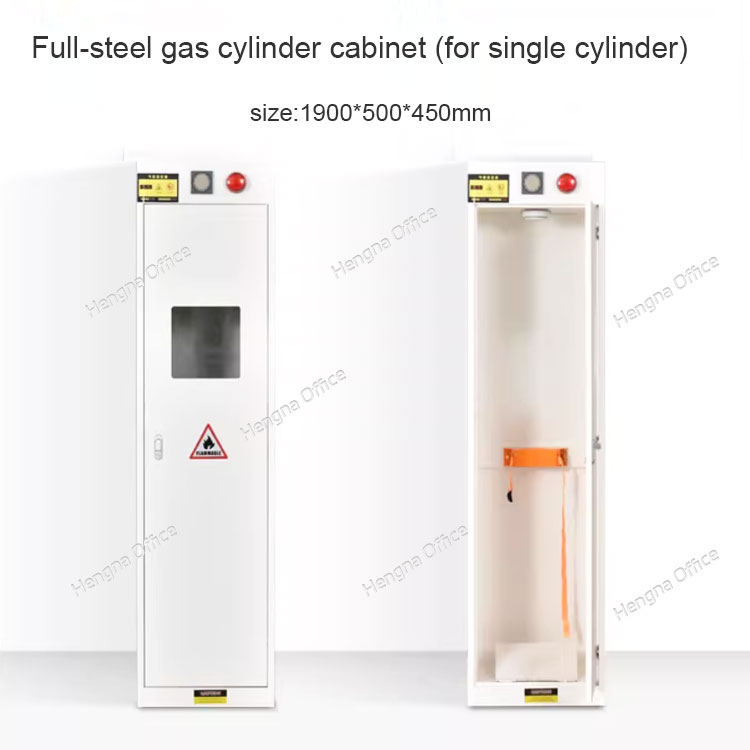
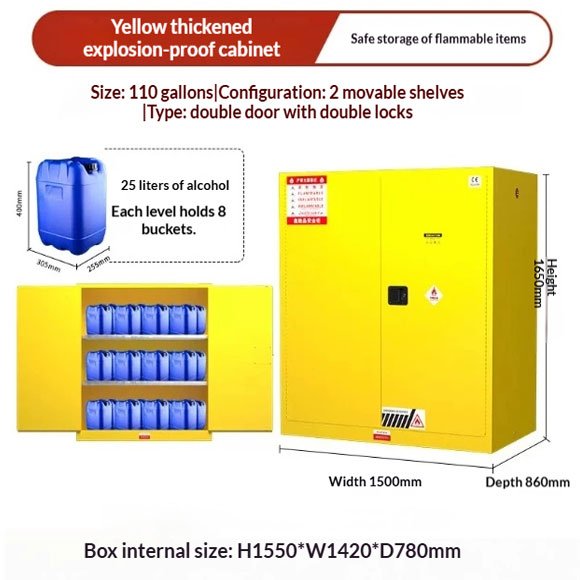
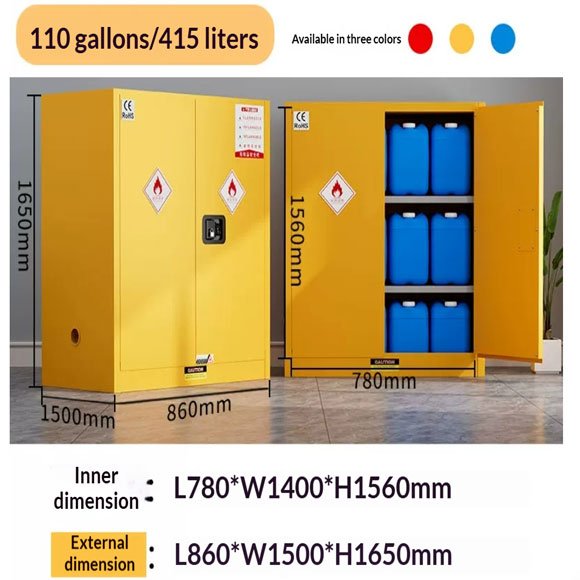
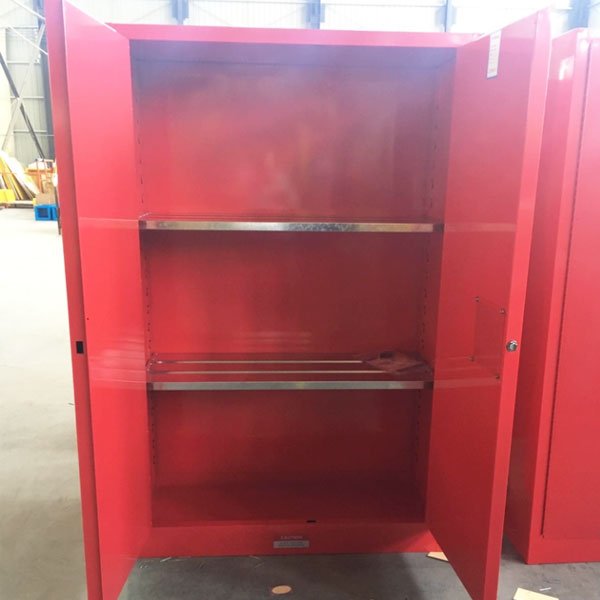
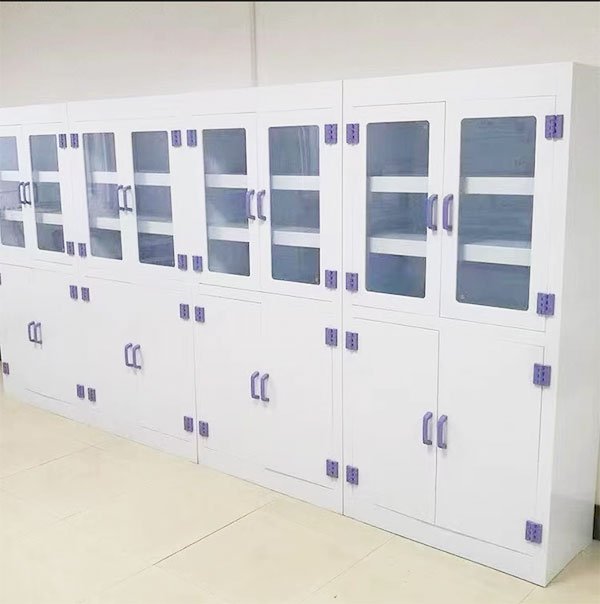
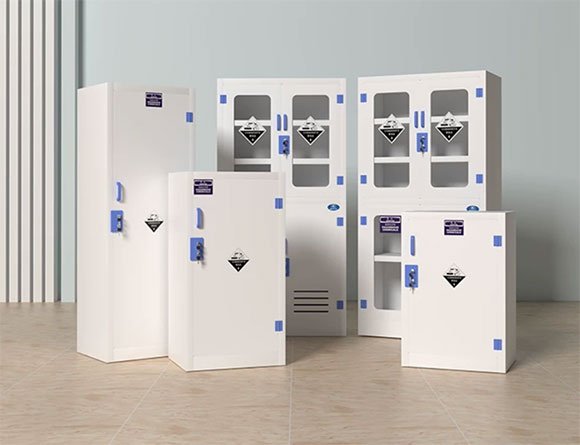
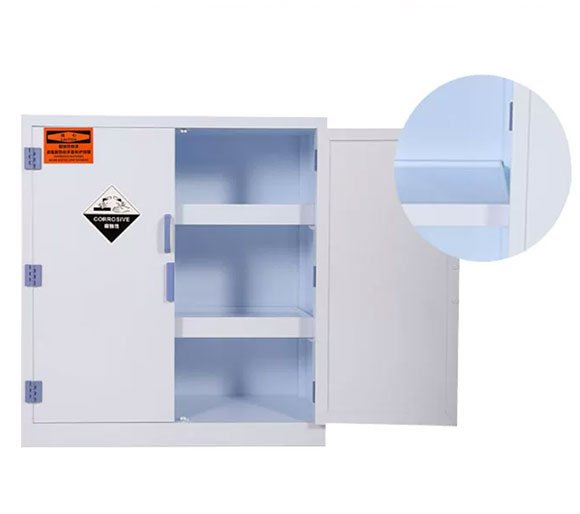
Our product portfolio includes wax block cabinets, slide cabinets, drying slide cabinets, explosion-proof cabinets, PP cabinets, gas cylinder cabinets, and stainless-steel storage cabinets. These products are designed to meet the specific needs of laboratories and pathology departments.
We use high – quality materials and advanced manufacturing techniques. For example, our cabinets are often made from cold – rolled steel plates, which are processed by laser and CNC equipment for precision. The surface treatment processes, such as rust removal, degreasing, pickling, water washing, and electrostatic powder coating, ensure durability and an appealing appearance.
28
2026 - 09
Quick answer: Six factors move the price of a lab bench: the worktop material and thickness, the steel gauge, the length and configuration, the fittings (sinks, racks, valves), the coating and color, and the order quantity with its shipping mode. A factory-direct quotation prices all six openly — send the chemical list and dimensions and the number comes back in writing. Most buyers overpay in one of two ways: they over-specify a bench for chemicals it will never touch, or they buy through layers that each add a margin. Both are avoidable. This page breaks down what actually drives the cost of a laboratory bench, from a factory that builds every unit on its own line. The 6 Factors That Move the Price 1. Worktop material and thickness. A 12.7mm phenolic top is the value baseline. 16mm and 19mm phenolic add section stiffness for heavy loads and wide spans. Epoxy resin adds solvent and heat headroom at a premium. Stainless steel and welded PP sit at the top of the range for special applications — order them only when the chemical list calls for it. 2. Steel gauge. Cabinet bodies run 1.0mm, 1.2mm or 1.5mm cold-rolled steel. The jump from 1.0 to 1.2mm buys deformation resistance for loaded drawers and long spans; 1.5mm is for heavy instrument duty. Matching the gauge to the load avoids paying for strength the lab does not use. 3. Length and configuration. Bench length runs 1000mm to 4500mm in modular steps. Drawer packs, door cabinets and open bays price differently — a drawer-heavy configuration costs more than a door-heavy one of the same length. 4. Fittings. Sink units with polypropylene basins, reagent racks, service valves and power outlets each add cost. Planning utilities at the drawing stage is cheaper than retrofitting later. 5. Coating and…
25
2026 - 09
Quick answer: We supply lab benches to UAE and GCC projects with salt-spray tested coatings for gulf air, 220-240V compatible configurations, export-grade crating and tender documentation support. Bench lengths run 1000-4500mm; worktops in phenolic, epoxy, stainless or welded PP matched to the chemical list. The Gulf is one of the most active lab construction markets in our export book: quality control labs for pharma distributors, school STEM rooms, hospital laboratories and industrial testing stations. It is also a market where the environment punishes underspecified furniture — salt air, heat and constant AC cycling find every weakness in a cheap finish. This page covers what UAE buyers order, how we build for the conditions, and how the export process runs. What UAE Labs Order Most Three project types repeat across the region. Quality control and testing benches for pharmaceutical distributors and food-safety labs — chemical-resistant worktops with sink units and reagent racks. School and university STEM rooms — durable benches in multi-station runs, specified for student throughput. Hospital and clinic laboratories — benches paired with storage cabinets for samples and reagents. Each type has a different specification, and each starts from the same inputs: the room dimensions and the chemicals in use. Built for Gulf Conditions Coastal air carries salt, and salt holds moisture against any finish. Our cabinet bodies use 1.0-1.5mm cold-rolled steel with electrostatic powder coating, and every production batch is backed by a 72-hour neutral salt spray test on coating panels — the report ships with the goods. Worktops carry an E1 formaldehyde rating. Voltage is specified for 220-240V compatibility, which covers UAE, Saudi and wider GCC mains. None of this is a premium feature; it is the baseline for surviving a gulf install. Export Logistics to the UAE Benches ship knock-down in wooden crates with foam cushioning…
22
2026 - 09
Quick answer: Phenolic resin worktops are the default for most labs — they resist acids, alkalis and impact at a reasonable cost, in 12.7mm, 16mm and 19mm thicknesses. Epoxy resin worktops win when solvents, sustained heat and constant moisture dominate: hood-adjacent benches, digestion stations, wash areas. Both pair with the same steel frames, so the decision is the worktop — and it pays to make it once, correctly, because redoing a worktop costs more than the gap between the two materials. Buyers ask us this every week, and the honest answer depends on what touches the surface. Choose the wrong worktop and it swells, stains or cracks within a year; choose the right one and it outlives the cabinets under it. Here is how the two materials actually behave, from a factory that machines both. What Phenolic Resin Worktops Handle Well Solid phenolic resin is a dense composite — the surface color runs through the core, so scratches do not show a white line. Our phenolic tops come in 12.7mm, 16mm and 19mm thicknesses with an E1 formaldehyde rating and PVC edge banding that seals the core from moisture. Against the daily chemistry of a working lab — dilute acids, alkalis, salt solutions, stains and impacts from glassware — phenolic holds up for years. It is also the lighter and more economical of the two materials, which is why it appears on most of the benches we ship to schools, QC labs and research facilities. For a typical chemistry teaching lab or a quality control bench, phenolic is not the budget compromise — it is the correct specification. Where Epoxy Resin Wins Epoxy resin is a cast, homogenous material with broader resistance to solvents and higher sustained temperatures. Three situations justify the upgrade: benches next to fume hoods where solvent…
19
2026 - 09
Quick answer: A chemical resistant lab bench pairs a non-reactive worktop — solid phenolic resin, epoxy resin, 304 or 316 stainless steel, or welded polypropylene — with a protected steel frame. The worktop absorbs the abuse from acids, alkalis and solvents; the frame stays dry under a sealed coating. General chemistry labs do well with a phenolic top. Daily strong corrosives call for PP or 316 stainless. Spilled sulfuric acid should not end a worktop’s life. Yet in many labs, a bench that handles glassware and daily experiments starts swelling at the edges within a year. The failure is rarely the steel frame. It is the surface. A chemical resistant lab bench is specified from the top down: worktop material first, then frame protection, then the seals around every opening. This page explains how our factory builds them and how to pick the right combination for your lab. What Is a Chemical Resistant Lab Bench? A chemical resistant lab bench is a laboratory workbench built to withstand acids, alkalis, solvents and stains without swelling, blistering or corroding. It combines three protections: a non-reactive worktop, a powder-coated or stainless steel frame, and sealed joints around sinks and reagent outlets. It is standard equipment in chemistry teaching labs, quality control labs and industrial testing stations. Where the Chemical Resistance Comes From The worktop does the heavy lifting Solid phenolic resin worktops come in 12.7mm, 16mm and 19mm thicknesses. The material resists acids, alkalis and impact, and the panels carry an E1 formaldehyde rating. Edges are sealed with PVC banding so liquids cannot wick into the core. For labs that need more heat and solvent headroom, epoxy resin worktops are available on request. The frame stays dry Cabinet bodies are made from 1.0mm, 1.2mm or 1.5mm cold-rolled steel with electrostatic powder coating cured…
16
2026 - 09
Quick answer: Rust on a steel lab bench starts where the powder coating fails — at scratches, weld seams, and worktop joints. Prevent it by touching up scratches within 24 hours, sealing joints with neutral-cure silicone, cleaning at pH 6 to 8, holding indoor humidity below 60%, and buying from suppliers who can show a 48-hour salt spray report. For coastal and high-humidity labs, skip straight to a 304 stainless steel frame or a full PP bench. Every lab in a hot, humid region knows the pattern. A steel lab bench looks fine in its first year. By year three, yellow stains show up at the welds. Then small rust dots appear along the frame. The first reaction is usually to blame the steel. In most cases the real cause is different: a damaged coating plus daily handling. Steel stays rust-free only while its coating stays intact. Once the coating is broken, cold-rolled steel will not survive constant moisture for long. We disassembled returned benches at our factory to study this. The pattern is consistent: rust almost always starts where the coating failed, not where the steel is thinnest. This guide covers where rust comes from, seven ways to stop it, and the point where replacement makes more sense than repair. Where Rust on a Steel Lab Bench Actually Comes From Three sources, in order of how often they show up. A broken powder coating Cold-rolled steel frames depend on electrostatic powder coating for corrosion resistance. A proper coat runs 60 to 80 microns thick. Transport knocks, repeated screw removal, and sharp lab tools can all cut through it. Each exposed spot becomes a rust starting point. The steel under the coating is not bad steel. It is simply bare steel, and bare steel plus constant moisture equals rust. Coastal…
31
2026 - 07
Last month I talked to an EHS manager at a chemical plant. He said something that stuck with me: “I replace my steel cabinet every two years. I’m used to it.” He stores HCl and sulfuric acid. By year two, the bottom panel starts leaking. So he swaps it out. He didn’t think twice about it — “it’s cheap enough, just replace it.” I get that logic. But the math doesn’t add up. Replace a steel cabinet every two years. Add the labor of transferring chemicals, disposing of the old unit, and the risk of one leak hitting the floor before you catch it. By the time you add it all up, you’re not saving anything. The real problem is: most people don’t know when their steel cabinet is past its limit. This post gives you four clear signs — plus a self-check to tell you whether it’s time to switch. 4 Signs It’s Time to Replace — If You Have Two, Replace It Sign 1: Hinges feel stiff and show rust dust This is the earliest sign. Steel hinges oxidize fast in acid vapor. First the door feels “sticky” when you open it. Then brown rust dust shows up in the hinge gap. Leave it too long and the door won’t seal properly — corrosive gas leaks from the gap. Some people oil the hinges. That doesn’t fix anything. The hinge is still steel, the acid vapor is still attacking it. Oil is a band-aid, not a fix. Sign 2: Bottom panel shows blisters or rust spots HCl and H2SO4 vapor is heavier than air. It sinks and collects at the bottom. This is the first place a steel cabinet fails. Get down and look at your cabinet floor. If you see quarter-sized blisters, rust spots, or paint bubbles…

Experience - Rich Craftsmanship
Uncompromising Quality
Custom - Oriented Solutions
Efficient Supply Chain
Exceptional After - sales Care

Precision Storage for Lab Specimens
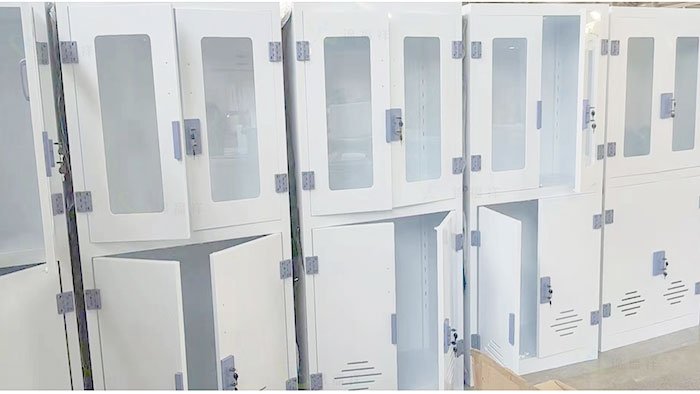
Chemical - Safe Storage Solutions
Specialized Gas & Hygienic Storage
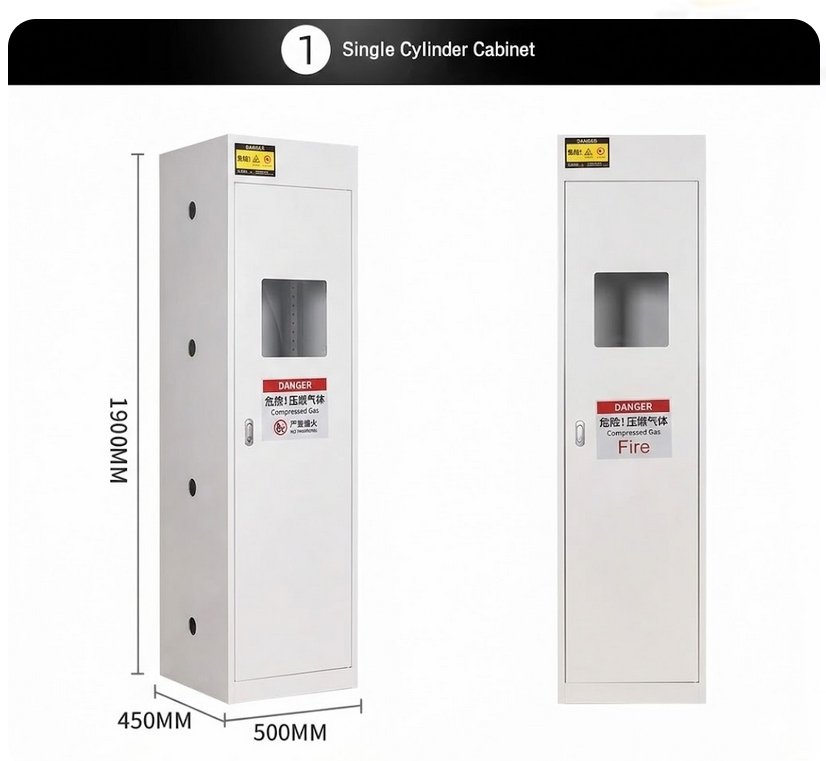
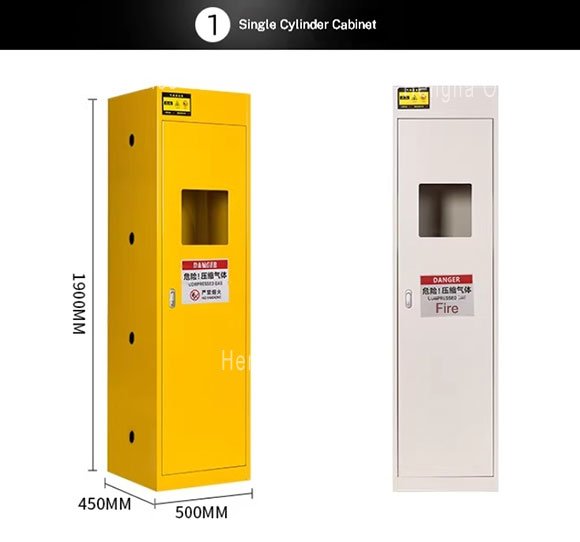
Gas Cylinder Cabinets
Stainless Steel Storage Cabinets

Professional R&D and Trade Prowess
Cutting - Edge Auto Production
Bulk Order & Project - Ready Capacity
Expert Service Team Support
ODM/OEM Customization

Minimum Order Quantity (MOQ)
Full Price List
Detailed Quotation Information
Delivery Time after Order
Delivery Method for Products
03
2025 - 12
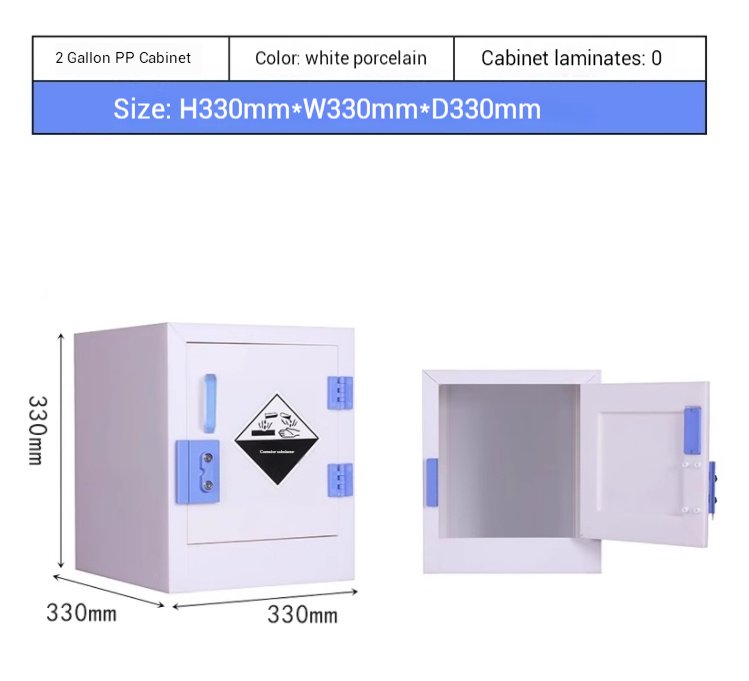
In the field of laboratory safety, the most dangerous hazards are typically tiny. Even little amounts of concentrated acids and corrosive chemicals can do a lot of damage to metal furnishings and put workers’ health at risk. The Benchtop Mini Chemical Safety Cabinet (2 Gal) from Luoyang Hengna Office Furniture Co., Ltd. is your first line of defense. This small, all-polypropylene (PP) fortress was made just for the “Point-of-Use.” It lets you safely, legally, and easily store corrosives that you use a lot on your workbench, in a fume hood, or on a school demo table. Unlike standard metal cabinets that rust and degrade, our PP cabinet is built to last, offering a permanent solution for harsh chemical environments. The “All-PP” Advantage: Why Material Matters If you are storing hydrochloric acid (HCl), sulfuric acid (H₂SO₄), or nitric acid (HNO₃), a metal cabinet is a liability. Even with expensive epoxy coatings, metal hinges and joints will inevitably corrode, leading to structural failure and contamination. Our All-PP Acid Resistant Box changes the game: Benchtop Mini Chemical Safety Cabinet (2 Gal) Product Features & Specifications 1. Space-Saving Benchtop Design With precise dimensions of H330 mm x W330 mm x D330 mm, this 2-gallon unit is a perfect cube. It is designed to fit into tight spaces where large floor-standing cabinets cannot go. It is the ideal “satellite” storage unit for individual workstations. 2. High-Visibility Safety 3. Secure & Compliant Benchtop Mini Chemical Safety Cabinet (2 Gal) Technical Specifications Table: Feature Specification Details Product Name Benchtop Mini Chemical Safety Cabinet Model HN-PP-Mini-02G Material 8 mm High-Quality Polypropylene (PP) Board External Size 330 mm (H) x 330mm (W) x 330mm (D) Internal Capacity 2 Gallons (Approx. 7.5 Liters) Color Porcelain White Body / Blue Accessories Shelves 0 (Standard) – Customizable upon request Door Type Single…
29
2025 - 11
In the demanding environment of a modern laboratory, safety is non-negotiable. However, space is often at a premium. The 2 Gallon Polypropylene (PP) Acid Cabinet by Luoyang Hengna Office Furniture Co., Ltd. is the ultimate “Point-of-Use” solution for storing highly corrosive chemicals. Unlike traditional metal cabinets that eventually succumb to rust when exposed to harsh vapors like hydrochloric or sulfuric acid, our cabinet is engineered from 100% High-Density Polypropylene (PP). It is designed to sit conveniently on your workbench, under a fume hood, or in a classroom setting, providing immediate access to critical reagents while ensuring total compliance and safety. Whether you are a school laboratory manager, an industrial safety officer, or a chemical plant operator, this compact, rustproof fortress is the best insurance for your workspace. Why Choose Polypropylene (PP) Over Metal? For years, laboratories struggled with metal cabinets. Even with epoxy coatings, metal inevitably corrodes when storing strong acids. Our PP cabinet solves this pain point permanently. 2 Gallon Polypropylene Acid Cabinet Key Features & Benefits 1. Superior Material Construction We use strictly selected, high-quality polypropylene (PP) boards. 2. Compact & Smart Design 3. High-Visibility Safety Compliance 4. Liquid-Tight Interior 2 Gallon Polypropylene Acid Cabinet Technical Specifications Feature Specification Product Name 2 Gallon Polypropylene Acid Cabinet Model Number HN-PP-02G Material 8 mm – 10mm High-Density Polypropylene (PP) External Dimensions 330 mm (H) x 330mm (W) x 330mm (D) Color Porcelain White Body / Blue Handle & Hinges Capacity 2 Gallon (Approx. 7.5 Liters) Shelves 0 (Single Open Compartment) Door Type Single Manual Swing Door (Left or Right opening optional) Lock System Padlock Hasp / Integrated Poly Lock Chemical Resistance Excellent (Acids, Alkalis, Solvents) Application Lab Benchtop, Under-counter, Fume Hood Manufacturer Luoyang Hengna Office Furniture Co., Ltd. Application Scenarios Where is this 2-gallon cabinet best used? OEM & ODM…
09
2025 - 10
Strong acids and bases are essential in many laboratory and industrial settings. These chemicals require special handling and storage. Improper storage can lead to dangerous accidents. PP safety cabinets provide the ideal solution for these hazardous materials. Learning how to safely store strong acids and bases in PP safety cabinets is crucial for workplace safety. This guide will walk you through the best practices and procedures. When you safely store strong acids and bases in PP safety cabinets, you protect both people and property. Understanding PP Safety Cabinets for Chemical Storage PP safety cabinets are specifically designed for corrosive chemicals. PP stands for polypropylene, a highly resistant material. This material withstands corrosion from strong acids and bases. Unlike metal cabinets, PP won’t degrade when exposed to these chemicals. PP safety cabinets feature seamless construction and leak-proof designs. These cabinets are essential for any facility handling corrosive substances. When you safely store strong acids and bases in PP safety cabinets, you ensure long-term protection. The durability of PP safety cabinets makes them a wise investment for chemical storage. Key Features of PP Safety Cabinets: Types of Strong Acids and Bases Requiring Special Storage Many common chemicals require storage in PP safety cabinets. Strong acids include sulfuric acid, hydrochloric acid, and nitric acid. These substances can cause severe burns and damage equipment. Strong bases like sodium hydroxide and potassium hydroxide are equally hazardous. Both categories of chemicals can react dangerously with other substances. PP safety cabinets provide the necessary containment for these materials. Always identify which chemicals in your facility need PP safety cabinet storage. Proper identification is the first step to safely store strong acids and bases in PP safety cabinets. Common Strong Acids and Bases Requiring PP Safety Cabinets: Strong Acids Strong Bases Sulfuric Acid (H₂SO₄) Sodium Hydroxide (NaOH) Hydrochloric…
05
2025 - 10
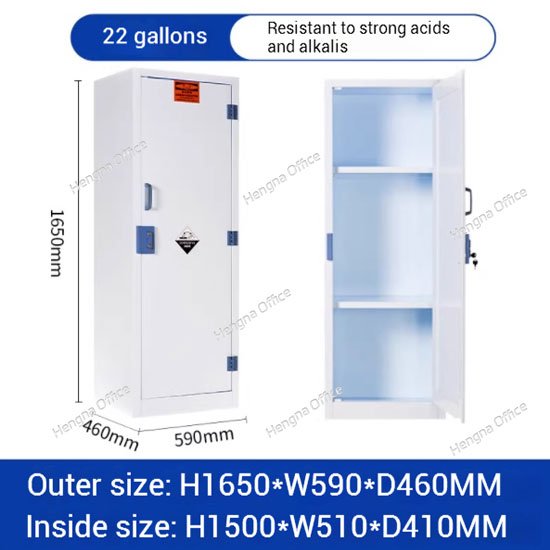
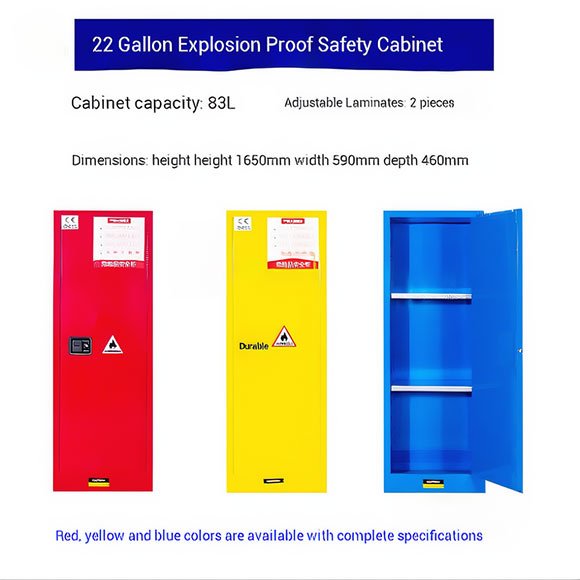
PP Corrosive Safety Cabinet with Strong Acid and Alkali Resistance represents the pinnacle of safety and reliability in chemical storage solutions. When working with hazardous materials like strong acids and alkalis, having the right storage equipment can prevent accidents and ensure regulatory compliance. Our PP Corrosive Safety Cabinet is specifically engineered to meet these critical needs. This cabinet provides unmatched protection for your workplace, staff, and valuable materials. The PP Corrosive Safety Cabinet with Strong Acid and Alkali Resistance is designed to withstand the harshest chemical environments while maintaining structural integrity and safety features. Why Polypropylene is the Superior Choice for Acid and Alkali Storage The material of your safety cabinet matters significantly when dealing with strong acids and alkalis. Traditional metal cabinets can corrode and fail when exposed to corrosive chemicals. Our PP Corrosive Safety Cabinet eliminates this risk entirely. Polypropylene is inherently resistant to a wide range of corrosive substances, including sulfuric acid, hydrochloric acid, sodium hydroxide, and potassium hydroxide. This resistance ensures that your PP Corrosive Safety Cabinet maintains its structural integrity even after years of exposure to harsh chemicals. The PP Corrosive Safety Cabinet with Strong Acid and Alkali Resistance won’t rust, degrade, or compromise the safety of your workplace environment. This makes it the ideal choice for any facility serious about chemical safety. Key Features of Our PP Corrosive Safety Cabinet Our PP Corrosive Safety Cabinet with Strong Acid and Alkali Resistance is packed with features designed to maximize safety and functionality: Technical Specifications Specification Detail Material Premium polypropylene (PP) Capacity 22 gallons Outer Dimensions H1650×W590×D460MM Inner Dimensions H1500×W510×D410MM Shelves Adjustable with spill-proof edges Leak Protection 2CM liquid depth capacity Locking System Secure lockable door Weight Sturdy yet manageable for installation Advanced Safety Features The PP Corrosive Safety Cabinet with Strong Acid and Alkali Resistance…
01
2025 - 10
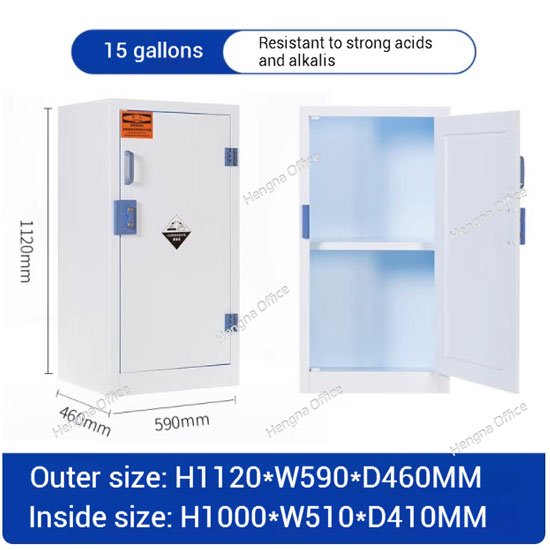
Polypropylene Laboratory Storage Cabinet for Strong Acids and Bases represents the pinnacle of safety and reliability in chemical storage solutions. When working with hazardous materials like strong acids and bases, having the right storage equipment can prevent accidents and ensure regulatory compliance. Our Polypropylene Laboratory Storage Cabinet is specifically engineered to meet these critical needs. This cabinet provides unmatched protection for your laboratory, staff, and valuable research materials. The Polypropylene Laboratory Storage Cabinet for Strong Acids and Bases is designed to withstand the harshest chemical environments while maintaining structural integrity and safety features. Why Polypropylene is the Superior Choice for Acid and Base Storage The material of your storage cabinet matters significantly when dealing with strong acids and bases. Traditional metal cabinets can corrode and fail when exposed to corrosive chemicals. Our Polypropylene Laboratory Storage Cabinet eliminates this risk entirely. Polypropylene is inherently resistant to a wide range of corrosive substances, including sulfuric acid, hydrochloric acid, sodium hydroxide, and potassium hydroxide. This resistance ensures that your Polypropylene Laboratory Storage Cabinet maintains its structural integrity even after years of exposure to harsh chemicals. The Polypropylene Laboratory Storage Cabinet for Strong Acids and Bases won’t rust, degrade, or compromise the safety of your laboratory environment. This makes it the ideal choice for any facility serious about chemical safety. Key Features of Our Polypropylene Laboratory Storage Cabinet Our Polypropylene Laboratory Storage Cabinet for Strong Acids and Bases is packed with features designed to maximize safety and functionality: Technical Specifications Specification Detail Material Premium polypropylene with double-layer steel reinforcement Capacity 15 gallons Outer Dimensions H1120×W590×D460MM Inner Dimensions H1000×W510×D410MM Shelves Two adjustable laminates Locking System Dual-lock management Weight Sturdy yet manageable for installation Compliance Meets industry safety standards for chemical storage Applications for the Polypropylene Laboratory Storage Cabinet This versatile cabinet is suitable for a…
28
2025 - 09
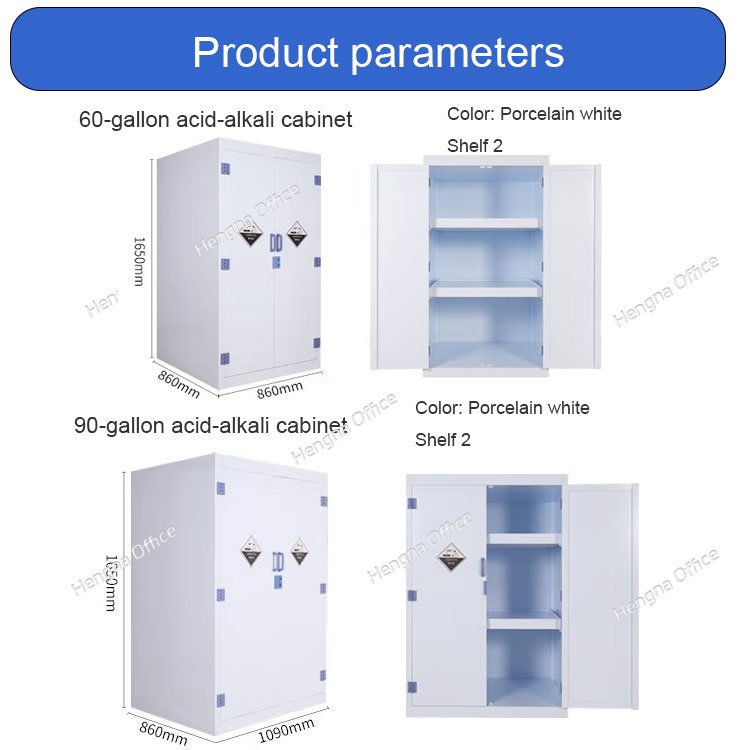
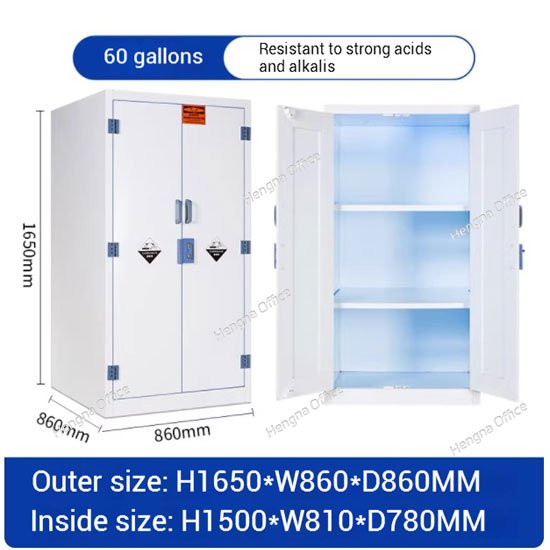
60 Gallon Polypropylene Acid Storage Cabinet for Laboratory Safety is engineered to provide the highest level of protection for your staff, facility, and valuable research materials. This specialized acid storage cabinet is constructed from premium polypropylene material that offers unparalleled resistance to corrosive substances. When you choose our 60 Gallon Polypropylene Acid Storage Cabinet, you’re investing in a laboratory safety solution that will serve your facility reliably for years to come. Why Polypropylene is the Superior Choice for Acid Storage The material of your acid storage cabinet matters significantly. Traditional metal cabinets can corrode when exposed to strong acids, creating additional safety hazards. Our 60 Gallon Polypropylene Acid Storage Cabinet eliminates this concern entirely. Polypropylene is inherently resistant to a wide range of corrosive chemicals, including sulfuric acid, hydrochloric acid, and nitric acid. This resistance ensures that your acid storage cabinet maintains its structural integrity even after years of exposure to harsh substances. The 60 Gallon Polypropylene Acid Storage Cabinet won’t rust, degrade, or compromise the safety of your laboratory environment. This makes it the ideal choice for any facility serious about laboratory safety. Key Features of Our 60 Gallon Polypropylene Acid Storage Cabinet Our acid storage cabinet is packed with features designed to maximize safety and functionality: Technical Specifications Specification Detail Capacity 60 gallons (approximately 227 liters) Outer Dimensions H1650mm x W860mm x D860mm Inner Dimensions H1500mm x W810mm x D780mm Material 100% virgin polypropylene Shelves 3 adjustable shelves Door Design Double-door with secure latches Weight Sturdy yet manageable for installation Applications for the 60 Gallon Polypropylene Acid Storage Cabinet This versatile acid storage cabinet is suitable for a wide range of environments: Safety Benefits of Proper Acid Storage Investing in a quality acid storage cabinet is essential for laboratory safety. Our 60 Gallon Polypropylene Acid Storage Cabinet provides…